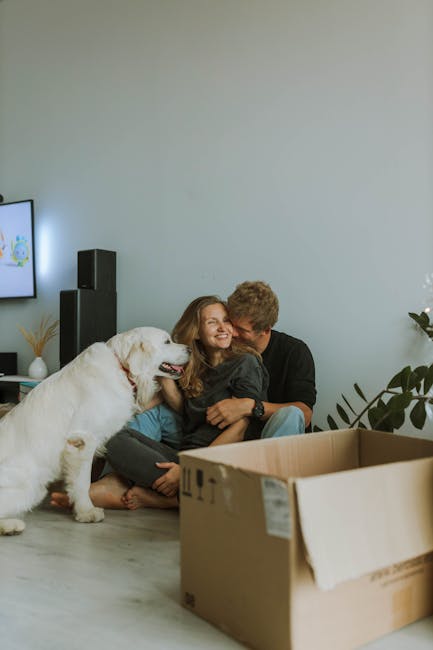
Moving pets safely: stress-free tips for moving day
Posted on 28/04/2026
Moving house is noisy, full of boxes, and frankly a bit odd even for people. For pets, it can feel like the whole world has changed overnight. New smells, open doors, strange people coming and going, food bowls moving around, and that constant bustle of moving day can unsettle even the calmest cat or dog. If you are trying to keep everyone safe and reasonably relaxed, this guide to moving pets safely: stress-free tips for moving day will help you plan the day properly and avoid the little mistakes that tend to turn into big ones.
The aim is simple: reduce stress, keep pets secure, and make the transition to the new home feel predictable rather than chaotic. You do not need a perfect setup. You do need a bit of structure, some common sense, and a plan that fits the pet in front of you. Truth be told, most moving day problems with pets come from rushing. A calmer pace almost always helps.
If you are also juggling packing, furniture, and timing, it can help to read broader moving advice too, such as secrets to relocating without stress and packing efficiently for your big move. Those guides sit nicely alongside pet planning, because the calmer the move overall, the calmer your animal is likely to be.
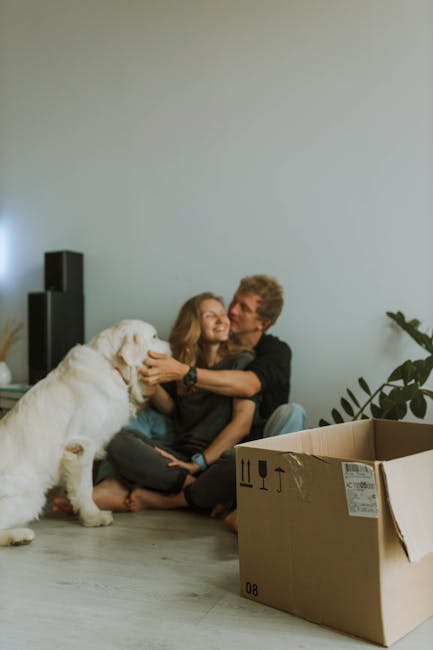
Why Moving pets safely: stress-free tips for moving day Matters
Pets do not understand a move in the way people do. They do not know the old place is being replaced by a better one. They mostly notice disruption: unfamiliar sounds, changed routines, missing furniture, and the sudden appearance of people carrying your sofa through the hallway. That can trigger anxiety, hiding, barking, toileting accidents, or escape attempts. Sometimes all of those at once. Lovely.
Keeping pets safe on moving day matters for a few straightforward reasons:
- Escape risk: doors are open more often, and nervous pets may bolt.
- Injury risk: boxes, heavy items, cords, and busy feet create hazards.
- Stress and behaviour changes: a scared pet may refuse food, pant, vocalise, scratch, or hide.
- Transport safety: unrestrained animals in vehicles are vulnerable during sudden stops or turns.
- Settling-in speed: a calmer move usually means an easier first night in the new home.
There is also a human side to this. If your pet is unsettled, your own stress rises too. You end up checking doors, searching under beds, and worrying when you should be focusing on the move. A well-planned pet routine removes a surprising amount of tension. To be fair, that alone can make the day feel more manageable.
If you are decluttering before the move, it can help to trim back the overall mess in the house. Less clutter means fewer hiding spots for a cat, fewer trip hazards for everyone, and a more controlled route for movers. This is where decluttering before relocating can quietly make a real difference.
How Moving pets safely: stress-free tips for moving day Works
The basic idea is to build a calm bubble around your pet while the move happens around it. That bubble usually has four parts: preparation, containment, transport, and settling in. If each part is handled carefully, the whole day becomes far more predictable.
First, you prepare the pet in advance. That means keeping routines as normal as possible in the days before the move, making sure ID tags and microchip details are up to date, and choosing a safe place for the animal to stay while the doors are in and out. Then you control where the pet is during loading. After that, you move them securely and give them a quiet first room in the new home.
The exact method depends on the animal. Dogs usually cope best when they have a familiar blanket, secure travel setup, and a person they trust nearby. Cats often prefer one quiet room early in the day and a crate or carrier they already know. Small pets, birds, and other animals need species-specific care, and sometimes a specialist vet or pet transport service is the sensible choice.
In practice, the move works best when the pet is treated like a priority item rather than an afterthought. That might sound obvious, but moving day has a habit of swallowing obvious things whole.
Key Benefits and Practical Advantages
Planning around your pet does more than prevent drama. It creates a safer, smoother move overall.
1. Fewer escape opportunities
One of the biggest benefits is simple risk reduction. When pets are contained in advance, there is less chance of a door being left open while someone carries a wardrobe through the hallway. That one moment is often where trouble starts.
2. Better behaviour on the day
A calmer pet is easier to monitor. You are less likely to spend the morning chasing a cat under the sink or calming a barking dog at the exact moment the van arrives outside.
3. Less disruption for the moving team
If you are using a removals service, a clearly planned pet arrangement helps the crew work safely and efficiently. It is much easier to move furniture when nobody has to keep checking whether the spaniel has escaped into the front garden. If your move includes bulky furniture or tricky access, a specialist service like furniture removals in Colyers can be especially useful because the team can help manage timing and flow around the property.
4. Easier first night in the new place
Pets that arrive with familiar bedding, food, water, and a known routine tend to settle more quickly. Not perfectly, mind you, but usually better. The first evening often sets the tone.
5. Less emotional strain for you
This is an underrated one. When the pet plan is sorted, your head is clearer. That makes a long, slightly chaotic day feel less like a fire drill and more like a sequence of tasks you can actually complete.
Who This Is For and When It Makes Sense
This guidance is useful for almost anyone moving with an animal, but it matters most if any of the following apply:
- You have a nervous, elderly, or rescue pet.
- You are moving a long distance rather than across town.
- You live in a flat, shared property, or somewhere with tight stairways and busy access.
- You have more than one pet, especially mixed species.
- You are moving at short notice and need a practical plan fast.
- You are combining the move with children, heavy furniture, or lots of boxes.
It also makes sense for first-time movers with pets. A lot of the stress comes from simply not knowing what to do first. If that sounds familiar, start with the animal's needs and build the rest of the day around them. The boxes can wait a few minutes. The dog hiding behind the curtain, less so.
For people moving in or around the area, services such as man with a van in Colyers or removal services in Colyers can help keep the logistics simple, especially if you need a coordinated schedule and a vehicle that arrives on time.
Step-by-Step Guidance
Here is a practical moving-day plan that works for most households. You can adapt it for cats, dogs, rabbits, birds, and other pets as needed.
Step 1: Update details and prepare the basics a few days before
Check your pet's ID tag, microchip details, and any travel equipment. Pack a small pet bag with essentials: food, bowls, lead, harness, litter tray, liners, treats, medication, waste bags, a blanket, and a favourite toy. Keep it separate from the main boxes so you can find it in a hurry.
If your pet has medication or a special diet, put that in a clearly labelled pouch. It sounds minor. It really isn't.
Step 2: Keep the routine steady
Try not to change meal times, walk times, or litter routines more than necessary before the move. Pets notice these things. A stable routine in the run-up to the move lowers the baseline stress.
Step 3: Set aside a safe room on moving day
Choose one room where your pet can stay securely while the heavy lifting happens. Put a sign on the door so everyone knows not to open it. A bathroom or spare room often works well, provided it is cool, secure, and has water, bedding, and the pet's carrier or crate. This can be especially helpful if you are using a bigger vehicle such as a removal van in Colyers and the loading period is likely to last a while.
Step 4: Move the pet before the busiest loading begins, if possible
For some families, the easiest approach is to transport the pet early, before the main rush. That works well if a friend, family member, or second driver can take the pet to the new home. The alternative is to keep the pet in a secure room until the last part of loading, then move them in a calm, direct trip.
Step 5: Use secure travel equipment
Dogs should travel in a secure crate, seat belt harness, or a properly restrained boot area, depending on the vehicle and size. Cats usually travel best in a sturdy carrier lined with something familiar. Small pets may need ventilated carriers kept level and shielded from direct sun or drafts. Do not let a pet roam freely in the vehicle. It is unsafe, full stop.
Step 6: Avoid feeding right before the journey
Many pets travel more comfortably on a lightly settled stomach, particularly if the journey is bumpy or long. Small amounts of water are usually sensible, but avoid overdoing it right before travel. If your pet has a medical condition, follow your vet's advice rather than guessing.
Step 7: Arrive at the new home and set up a quiet base
Before letting the pet explore, prepare one calm room. Put out water, bedding, familiar toys, and the litter tray or toilet setup. Keep windows closed and doors secure. Let the pet settle there first, then introduce the rest of the home gradually. This is especially useful if the house is still full of strange smells and half-unpacked boxes.
Step 8: Rebuild the routine quickly
Walks, feeding, and play should return to something recognisable as soon as practical. Pets feel safer when the new place begins to behave a bit like the old one. Same meal bowl if you have it. Same blanket if you can. Same voice, same routine. Simple, but effective.
If you are still in the planning stage, you may also find efficient packing advice useful for keeping pet items separate and easy to reach. A pet's first-night box should never end up buried under winter coats and cutlery. That is just asking for trouble.
Expert Tips for Better Results
These are the small, practical details that make the biggest difference on the day.
- Keep carriers out early: If a cat only sees a carrier when something unpleasant is about to happen, it becomes a signal for panic. Leave it out for days beforehand if you can.
- Use familiar smells: A blanket, towel, or toy that smells like home can be very calming, especially for cats and small animals.
- Control the noise: Loud voices, banging doors, and the scrape of furniture can overwhelm a pet. A quiet room and a closed door help more than people think.
- Label pet supplies clearly: Put pet food, medication, leads, and bowls in one marked box or bag. It saves the kind of frantic rummaging that moving day already has enough of.
- Ask one person to be the pet lead: Too many people trying to "help" can confuse an anxious animal. One calm voice is usually better.
- Plan for toilet breaks: Dogs especially may need regular opportunities to go out. Build that into the schedule rather than hoping it will work itself out.
A little practical judgement goes a long way here. If your pet is particularly anxious, you might decide to move it with a trusted friend rather than in the middle of the busiest loading window. That kind of decision is often the right one, even if it feels a bit inconvenient.
And yes, sometimes the most expert move is simply making the day quieter. No drama. No rushing. Just fewer moving parts.
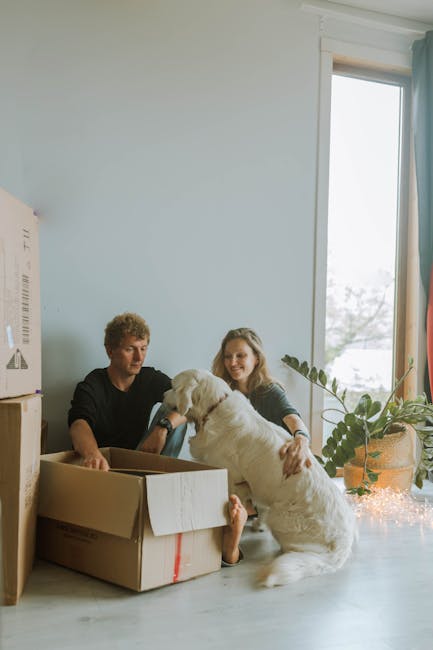
Common Mistakes to Avoid
Most problems with moving pets are avoidable. The usual culprits are not complicated, just easy to miss when everything is happening at once.
Leaving the pet unsecured too early
This is the classic mistake. A pet is let loose while people are still carrying boxes out, and then suddenly someone is shouting, "Where's the cat?" Not ideal.
Forgetting to prep the new home
If the pet arrives before the house is ready, it can feel even more unsettled. Set up the safe room first. Then bring the animal in.
Using the first available box for pet items
Pet supplies need to be accessible. Don't tuck food and bowls away in a box labelled "misc kitchen." Future you will not be amused.
Underestimating travel anxiety
Some animals travel calmly. Others do not. If your pet has a history of distress in the car, talk to a vet before the move. It is better to plan early than to discover the problem at the kerbside.
Leaving doors and windows open during loading
This is a major risk for cats and smaller dogs. Keep a strict door routine. One person opens, one person watches, no exceptions.
Ignoring the weather
Hot cars, cold draughts, or long waits outside can all cause discomfort. On a damp British day, the issue is often wet paws and cold air rather than heat, but either way it is worth thinking about the conditions before you load up.
If you are moving larger items at the same time, safe handling matters too. Helpful reading on this includes the science behind kinetic lifting techniques and safe heavy-object lifting techniques. A safer move for people is also a safer move for pets, because fewer accidents means less chaos overall.
Tools, Resources and Recommendations
You do not need a mountain of specialist gear, but a few sensible tools make things much easier.
| Item | Why it helps | Best use |
|---|---|---|
| Carrier or crate | Provides secure travel and containment | Cats, small pets, nervous dogs |
| Harness and lead | Helps with controlled movement and toilet breaks | Dogs at loading points and on arrival |
| Familiar blanket | Reduces stress through scent and comfort | Travel and first-night setup |
| Pet-specific box or bag | Keeps essentials together | Food, medication, bowls, litter, treats |
| Room sign or note | Warns movers not to open the safe room | Busy homes with multiple people |
| Cleaning supplies | Useful for accidents and freshening the new space | Before and after arrival |
For families that need a little extra support, there are a few sensible service options to consider. If you are moving on a tight timetable, same-day removals in Colyers can help when the schedule is compressed. If you want to compare services and options, start with the services overview and pricing and quotes pages so you know what to expect.
For storage-related moves, such as when your new place is not ready yet, storage in Colyers can be useful for keeping non-essential belongings out of the way while you focus on the pet and the essentials. Sometimes that breathing space is worth its weight in gold.
Law, Compliance, Standards, or Best Practice
For pet moving, the main focus is not legal jargon but sensible best practice. In the UK, animal welfare expectations are grounded in keeping animals safe, protected from avoidable distress, and under proper control during transport. If you are unsure about any animal-specific concern, a vet is the right first call.
Best practice usually means:
- Travelling pets securely, not loose in the vehicle.
- Keeping dogs under control on leads when outside the home.
- Preventing escapes during loading and unloading.
- Not exposing animals to unsafe temperatures or long periods without rest.
- Following veterinary advice for medication, sedation, or health conditions.
If you are using a removal company, it is reasonable to ask how they manage safety around open doors, busy access, and shared spaces. A professional team should be able to explain its handling approach clearly. Pages such as insurance and safety and health and safety policy are useful places to understand the standards a business works to. That kind of transparency matters.
If you are transporting a pet over a long distance, or if the animal has a medical condition, a vet may recommend more tailored guidance. That is where best practice matters more than shortcuts. Sedation, for example, is not something to guess about. Always ask a professional.
Options, Methods, or Comparison Table
There is more than one way to manage moving day with pets. The right option depends on the animal, the property, and how much help you have.
| Method | Best for | Pros | Things to watch |
|---|---|---|---|
| Pet stays in a safe room until the end | Dogs, cats, and most indoor pets | Simple, predictable, low cost | Needs strict door control |
| Pet travels early with a family member | Anxious pets or busy loading days | Reduces exposure to noise and movement | Requires someone trustworthy and calm |
| Pet transport by crate in the moving vehicle | Cats, small pets, short journeys | Direct and efficient | Crate must be secure and well ventilated |
| Vet-advised transport plan | Pets with health issues or high anxiety | More tailored and safer | Needs early planning |
For many households, the safest approach is a hybrid one: safe room first, travel in a secure carrier or harness, then a quiet setup room on arrival. That covers most situations without making the day unnecessarily complicated.
If your move involves a flat or awkward access, the extra complexity is worth planning around. A flat removals service in Colyers can be helpful when stairs, lifts, or shared entrances make timing more sensitive. Pets and communal hallways are not always the happiest combination, let's face it.
Case Study or Real-World Example
Here is a realistic example based on the kind of move many families handle.
A couple moving from a terrace in Colyers had one excitable spaniel and a nervous rescue cat. The dog barked at every delivery driver. The cat disappeared whenever a cupboard door opened. Rather than try to keep both animals near the loading area, they prepared a spare bathroom with the cat's bed, litter tray, water, and a familiar blanket. They also packed a small pet bag the night before so nothing essential would go missing in the middle of the morning rush.
On moving day, the dog went for a long walk early, then stayed with a friend until the van was loaded. The cat remained in the secure room until the final boxes were out. Once the van left, the cat was transported in a covered carrier directly to the new home and placed in a quiet room first. Only after the rooms were calmer did they introduce the rest of the house.
The result was not magical. The cat still hid under a chair for a while, and the dog spent ten minutes sniffing every corner like a tiny detective. But there was no escape attempt, no panic at the front door, and no one spent the afternoon chasing either animal down the street. That, honestly, is a good move day.
Practical Checklist
Use this checklist the day before and on the morning of the move.
- Update ID tags and microchip details.
- Prepare pet food, bowls, medication, litter, waste bags, and treats.
- Pack a familiar blanket, toy, or bedding item.
- Choose a safe room and tell everyone not to open it.
- Keep carriers, leads, harnesses, and crates accessible.
- Plan who will look after the pet during loading.
- Confirm travel arrangements and vehicle space.
- Check windows, gates, and doors for escape risks.
- Prepare the first room in the new home before bringing the pet in.
- Return to normal feeding and walking routines as soon as practical.
Expert summary: The safest pet move is usually the simplest one: reduce noise, reduce access to doors, keep the pet's essentials close, and make the first hour in the new home feel calm and familiar. Small steps, properly timed, do most of the work.
Conclusion
Moving with pets does not need to be chaotic. With a bit of planning, the right equipment, and a calm approach to doors, transport, and first-night settling, you can make moving day safer and far less stressful for everyone involved. The key is to think ahead and keep the pet's world as stable as possible while the rest of the house is in motion.
Whether you are moving across town or settling into a new part of London, the same principle holds: a secure pet, a clear routine, and one quiet room to land in make a huge difference. If you want the move itself to feel more manageable, use the support and planning tools available, and don't be afraid to ask for help where it genuinely matters.
Get a free quote today and see how much you can save.
And if the day feels a bit much, pause for a moment. The boxes will get there. Your pet will settle. Home has a way of feeling right again, given a little time.