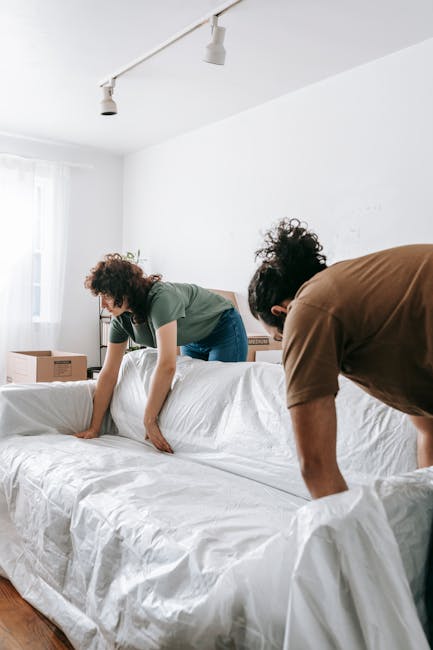
Staircase and flooring protection techniques for movers
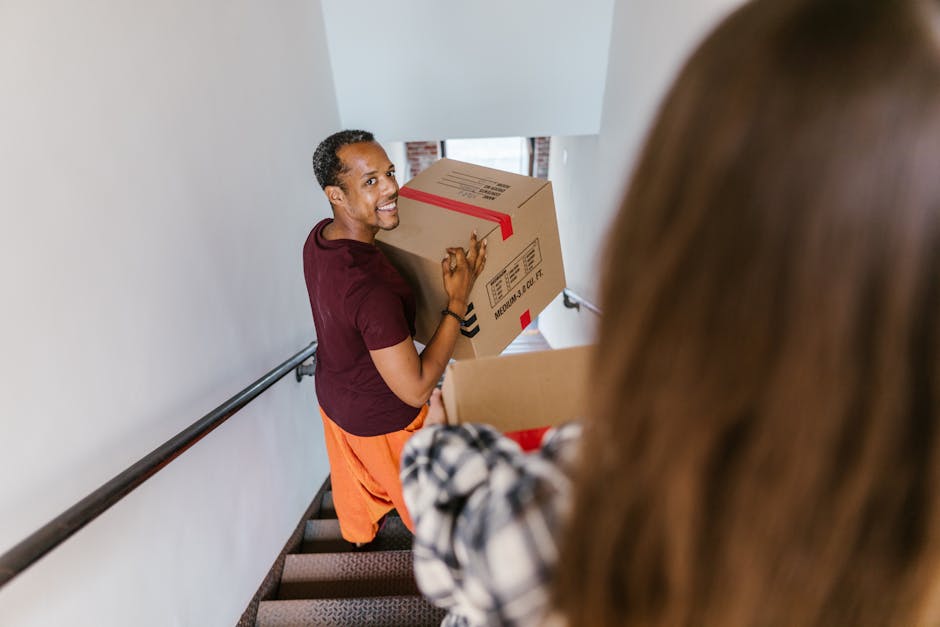
Stairs and floors take the brunt of a move long before the first box is set down. A scuffed banister, a scratched hallway, a muddy bootprint on cream carpet, a chipped stair nosing - these are the kinds of small losses that can turn an otherwise smooth move into a frustrating one. The good news is that with the right staircase and flooring protection techniques for movers, most of that damage is avoidable.
This guide explains what proper protection looks like, how it works in practice, and which methods make sense in different homes and buildings. Whether you are planning a house move, an office relocation, or simply want to understand how professional movers protect access routes, you will find clear steps, realistic examples, and the common mistakes to avoid. Let's face it, nobody wants moving day remembered for a ruined hallway.
- Why it matters
- How protection works
- Key benefits
- Who needs it
- Step-by-step guidance
- Expert tips
- Common mistakes
- Tools and resources
- Law, compliance, and best practice
- Options and comparison
- Real-world example
- Practical checklist
- Conclusion
- Frequently asked questions
Why Staircase and flooring protection techniques for movers Matters
Stairways and floors are high-risk areas during any move because they combine weight, friction, tight turns, and limited visibility. A mover carrying a wardrobe or sofa is concentrating on balance and corners, not just where their boots land. That is exactly why protection matters: it creates a buffer between people, belongings, and the building itself.
In ordinary houses, the damage risk is obvious. Timber floors can dent, laminate can scratch, paint can scuff, and carpet can snag. In shared buildings, the stakes are even higher because damage can affect communal areas, neighbours, landlords, or managing agents. If you are arranging home moves or working with house removals, a clean access route is one of those details that quietly shapes the whole day.
It is not only about appearance either. Safe protection reduces slips, keeps dust under control, and helps movers maintain a stable footing. On a wet morning in London, a bare hallway can become a hazard very quickly. Add a few trips up and down the stairs and you have a recipe for avoidable trouble. A bit of planning saves a lot of grief.
Expert summary: the best staircase and floor protection is the kind that matches the surface, the route, and the size of the move. There is no single magic sheet or roll that works for every job.
How Staircase and flooring protection techniques for movers Works
Good protection is usually built in layers. First, the mover identifies the surfaces at risk. Then they choose the right material for each area, secure it properly, and check that it does not create a trip hazard or hide a hazard underneath. Simple in theory. A bit more fiddly in practice.
For staircases, the main concern is repeated contact from boots, item edges, trolleys where suitable, and awkward turns. On flooring, the key issue is pressure and abrasion. Heavy furniture can leave compression marks on carpet, while hard soles and dragged feet can scratch wood or tile. The protection method should match the floor type and the route profile.
Professional movers often start by clearing dust and loose grit, because protection only works as well as the surface beneath it. If there is sand under a board protector, that grit can act like sandpaper. That is one of those tiny details people miss until the floor is damaged anyway.
Depending on the job, movers may use a combination of corrugated floor runners, carpet film, felt pads, adhesive tread covers, temporary stair protectors, corner guards, blankets, and edge boards. In some cases, especially for bigger projects, a move may also be planned alongside packing and unpacking services so that carrying routes stay controlled and clutter does not build up near the stairs.
Key Benefits and Practical Advantages
The benefits go well beyond keeping the place looking tidy, though that alone is reason enough for many people. Proper protection makes the whole moving process calmer and more efficient.
- Less damage risk: floors, stair treads, skirting boards, bannisters, and thresholds are shielded from scuffs, chips, and dents.
- Better grip and safety: protected access routes can improve footing and reduce slips, especially in wet or dusty conditions.
- Faster movement: when movers know the route is prepared, they can work more confidently and keep the day moving.
- Cleaner handover: this matters for landlords, tenants, managing agents, and anyone aiming for a tidy checkout.
- Lower stress: everyone relaxes a bit when the building looks cared for. That counts, honestly.
There is also a trust factor. If a mover takes floor and stair protection seriously, it usually signals that they are thinking about the job as a whole, not just the lifting itself. That is one reason people comparing removal company options often pay attention to how the business talks about safety and site care.
Who This Is For and When It Makes Sense
These techniques are useful for almost any move, but some situations really benefit from a more careful approach.
You should prioritise staircase and flooring protection if you are:
- moving out of a rental property and need to avoid deductions for damage
- using narrow stairs, a split-level layout, or a tight landing
- moving heavy furniture such as wardrobes, fridge-freezers, or desks
- working in a period property with soft timber floors or painted bannisters
- relocating an office where polished flooring and shared entrances matter
- handling a move through communal areas, lifts, or stairwells
- using a service like man and van, where the route may be shorter but the handling still needs care
For office removals, the concern is often about reception areas, corridors, and stair cores. For domestic jobs, it is more about preserving carpets, wooden steps, and walls that may already have a few knocks. Different setting, same principle.
To be fair, even a small move can cause expensive damage if the route is awkward. One heavy chest of drawers on a polished landing is all it takes.
Step-by-Step Guidance
Here is a practical way to approach protection on moving day. You do not need every possible product. You need the right sequence.
- Inspect the route first. Look for loose boards, cracked tiles, slippery patches, low lighting, narrow turns, and fragile edges. Decide where the risks actually are.
- Clean the surfaces. Sweep, vacuum, or wipe away grit before laying anything down. Protection on top of dirt is not really protection.
- Choose the right material. Use carpet film for short-term carpet coverage, reusable runners for repeated foot traffic, and board-style protection for hard floors that need impact resistance.
- Secure each section properly. Tape or anchor protectors so they do not slide, curl, or bunch up. Avoid over-taping delicate finishes.
- Cover stair treads and landings. Focus on the highest-contact points first: the step edge, the centre of the tread, and the landing where turning happens.
- Protect corners and banisters. A stair move often involves brushing walls and handrails, so edge guards and blankets can be worth the extra minute.
- Test the walking line. Walk the route once before lifting anything. If it feels unstable underfoot, adjust it now rather than halfway through a sofa carry. That is not the moment to discover a loose runner.
- Monitor during the move. Recheck protection after bulky items pass through, especially if heavy foot traffic starts shifting the coverings.
- Remove and inspect at the end. Lift the protection carefully and check for trapped grit, moisture, or hidden marks. If there is residue, clean it before handover.
For larger jobs, movers may also plan the route around vehicle loading and unloading. A well-organised moving van setup can reduce the number of unnecessary trips, which in turn reduces wear on the stairs and floors. Fewer trips, fewer chances for trouble. Pretty simple, really.
Expert Tips for Better Results
There are a few habits that separate a decent setup from a really good one.
- Match the protector to the surface: carpet, wood, stone, vinyl, and laminate all behave differently. One-size-fits-all is usually a compromise.
- Use the minimum adhesive necessary: enough to hold, not so much that you leave marks behind.
- Think about moisture: wet shoes, rain, and condensation from cold items can make floors slippery under coverings if air is trapped.
- Protect both sides of a tight turn: stairs are not just vertical. The awkward bit is often the landing and the turn itself.
- Keep a spare runner or sheet nearby: if one section shifts, it is quicker to replace than to faff around fixing a failing edge.
- Use blankets for contact points: bannisters, door frames, and corners often need soft padding more than hard coverage.
In our experience, the most effective teams treat the route as part of the job, not a side task. That mindset matters. A move can be physically demanding, and when people are tired, feet get clumsy. Everyone knows that feeling around 3 pm when the stairs suddenly seem longer than they did in the morning.
If you are arranging a broader relocation, it may help to review a provider's approach to health and safety policy and insurance and safety. Those pages will not lay flooring for you, of course, but they can reassure you that site care is taken seriously.
Common Mistakes to Avoid
A lot of damage happens because someone assumed the route was "fine" and kept going. That is the classic moving-day gamble. Not a great one.
- Using the wrong material: soft carpet film on a busy hard-floor route may not hold up, while rigid boards on delicate surfaces can still shift if poorly fitted.
- Skipping cleaning: grit underneath protection can scratch floors worse than bare feet would.
- Leaving edges loose: curled corners create trip hazards and can snag on shoes or dollies.
- Ignoring stair nosings: the front edge of each step is where wear and impact concentrate.
- Covering hazards instead of fixing them: a loose board, broken tile, or wet patch needs attention, not just a sheet over the top.
- Overloading one route: if everyone uses the same staircase without pauses, coverings wear faster and become less reliable.
Another mistake is forgetting the post-move clean-up. If tape residue, dampness, or concealed dirt is left behind, the protection has only solved half the problem. The other half is still waiting in the hallway.
Tools, Resources and Recommendations
You do not need a warehouse full of kit to protect stairs and floors properly. A focused set of tools usually works better than a pile of random materials.
| Protection method | Best for | Strengths | Limitations |
|---|---|---|---|
| Corrugated floor runners | Hallways, landings, and repeated foot traffic | Quick to lay, decent coverage, reusable | Can shift if not secured well |
| Carpet film | Short-term carpet protection | Lightweight, tidy, helps prevent marking | Less useful for heavy impacts |
| Board or panel protection | Hard floors and high-traffic areas | Good impact resistance, stable under load | Bulkier, slower to fit |
| Blankets and wraps | Bannisters, corners, door frames | Soft padding, flexible, easy to position | Need secure fastening to stay in place |
| Edge guards | Step edges and skirting details | Useful for impact-prone points | Not a full-surface solution |
If you are comparing service types, it can help to think about the job size as much as the property itself. A one-bedroom flat move and a full office relocation need different route planning. For larger, more structured jobs, removal services and commercial moves usually involve more layered protection because traffic is heavier and the consequences of damage are broader.
For anyone arranging a move on a tight budget, it is worth asking whether the protection kit is included or whether it needs to be added separately. You can often get clarity by reviewing pricing and quotes before you book. A short conversation now can avoid a long, awkward one later.
Law, Compliance, Standards, or Best Practice
There is no single universal rule that says every moving job must use one exact type of stair or floor protection. In the UK, though, movers are generally expected to take reasonable care of both people and property, and that expectation is pretty sensible. If a property has shared areas, landlords, managing agents, building rules, or site-specific access requirements may also apply.
Best practice usually means the mover should:
- assess the route before carrying heavy items
- reduce slip and trip risks where possible
- avoid causing preventable damage to flooring, walls, and handrails
- use equipment that is suitable for the surface and job type
- maintain clear access for the team and any other building users
If you are moving in a block of flats or a managed office building, you may also need to follow building access instructions, lift bookings, or loading bay rules. The details vary, so it is worth checking in advance rather than assuming the building will be flexible on the day. Truth be told, most complaints around access come from poor planning rather than bad intentions.
For peace of mind, some customers also like to confirm how a company handles disputes, customer care, and payment handling. That is where pages such as terms and conditions, payment and security, and the complaints procedure can help set expectations before moving day arrives.
Options, Methods, or Comparison Table
Different floor types benefit from different protection methods. Here is a straightforward comparison to help you choose.
| Surface | Best protection approach | Why it works | Watch out for |
|---|---|---|---|
| Carpeted stairs | Carpet film plus stair tread protection | Helps stop dirt, snagging, and light marking | Film can lift if moisture gets underneath |
| Wooden stairs | Non-abrasive runner or fitted stair covers | Reduces scuffs and pressure marks | Edges must be fixed securely to prevent slip risk |
| Laminate or vinyl flooring | Rigid floor protection panels or runners | Spreads weight and avoids drag marks | Cheap adhesives can leave residue |
| Stone or tile floors | Impact-resistant board protection | Protects from chips and heavy foot traffic | Must stay flat and not rock on grout lines |
| Shared building entrances | Combination of runners, corner guards, and route control | Improves presentation and reduces complaints | Needs careful coordination with building access |
If you are using a provider for a smaller job, such as man with van or man with a van, ask how they handle route protection in homes with narrow stairs or delicate flooring. Smaller operations can be excellent, but the devil is in the preparation.
Case Study or Real-World Example
A fairly typical move goes like this: a family in a Victorian terrace has a polished timber hallway, a narrow staircase, and a carpeted landing. The sofa will not turn easily, the fridge-freezer is heavy, and the walls are already a little close for comfort. Nothing dramatic, just one of those houses that makes every corner feel personal.
Before any lifting begins, the movers clear the hallway, sweep grit away, and lay a breathable floor runner from the front door to the stairs. The stair treads get fitted covers, the banister is wrapped at the tight turn, and the landing gets a board protector where the heaviest load will pivot. The team walks the route once, notices one runner edge lifting near the bottom step, and retapes it before the first item comes through.
That tiny recheck matters. Later, the sofa catches the landing at an angle, but the protected edge takes the contact rather than the timber floor. By the end of the day, the hallway still looks like a hallway. Not pristine, because moving days are never that poetic, but clean enough that the tenants can hand over the keys without a nervous knot in their stomach.
This is the real value of protection: not perfection, just controlled risk and a sensible finish.
Practical Checklist
Use this checklist before the first box moves.
- Inspect stairs, landings, thresholds, and all floor surfaces.
- Remove grit, water, loose dirt, and clutter from the route.
- Identify delicate surfaces, tight turns, and high-traffic areas.
- Choose the correct protectors for carpet, wood, vinyl, tile, or stone.
- Cover stair treads, not just the centre line of the stairs.
- Protect bannisters, corners, skirting boards, and door frames.
- Secure all coverings so they will not slide, wrinkle, or curl.
- Test the walking route before heavy items are carried.
- Keep spare tape, runners, or blankets available for quick fixes.
- Inspect the route again after the move and remove all residue.
If you are still in the planning stage, it can also be helpful to speak with a company that understands routes, access, and property care across different job types, from house movers to removal companies. If the job is moving from thought to action, you are probably at the right point to ask questions.
Conclusion
Staircase and flooring protection techniques for movers are not a luxury extra. They are a basic part of moving well. The right protection reduces damage, improves safety, and makes the whole day feel more under control. That matters whether you are moving a single room, a family home, or a busy workplace.
The best approach is usually simple: inspect first, clean properly, choose the right protection for the surface, secure it carefully, and keep checking as the move progresses. Do that well, and the stairs and floors will quietly do their job without becoming part of the story.
Get a free quote today and see how much you can save.
And if you are weighing up your next step, choose the option that makes the building feel respected as well as the move efficient. That's the kind of moving day people remember for the right reasons.
Frequently Asked Questions
What is the best protection for stairs during a move?
The best option depends on the stair surface and the type of move. Carpeted stairs often do well with tread protection and film, while wooden or tiled stairs may need runners or fitted panels that stay flat and secure.
Do movers always protect floors and staircases?
Good movers usually do, but the exact method can vary by property type and service level. It is sensible to ask what protection is included before moving day, especially if you have delicate flooring or tight access.
Can floor protection damage hardwood or laminate?
It can, if the wrong material is used or if dirt is trapped underneath. That is why surfaces should be cleaned first and any adhesive should be suitable for temporary use on the specific floor type.
How do movers protect carpet from heavy furniture?
They often use carpet film, runners, or board protection where heavy items will pass repeatedly. The aim is to reduce compression, staining, and snagging while keeping the route stable underfoot.
Is stair protection necessary for small moves?
Yes, quite often. Even a small move can involve awkward turns, heavy items, or repeated trips that create scuffs and slips. The size of the load matters less than the layout of the route sometimes.
What should I ask a mover about floor protection?
Ask what materials they use, whether they clean the route first, how they protect corners and stair edges, and whether their protection is suitable for your specific floor type. Simple questions, but useful ones.
How do movers stop runners from slipping?
They secure them with the right tape or fixings, make sure the surface is clean, and check that the runner lies flat. Loose edges are a problem, so the fixings matter as much as the runner itself.
Do landlords care about staircase and flooring protection?
Usually yes, especially in rental homes and shared buildings. Protecting the route helps avoid disputes over damage, cleaning, or deposit deductions. It also leaves a better impression at handover.
What is the difference between floor runners and board protection?
Floor runners are lighter and better for foot traffic, while board protection is stronger and better for impact or heavier loads. Many moves use both, depending on the area.
Should stair edges be protected separately?
Yes. The edge of each step, or stair nosing, is one of the most vulnerable points during a move. Extra protection there can prevent chips, dents, and wear in the spot that gets hit first.
How long does it take to set up proper protection?
It depends on the property, but a tidy setup does not need to take forever. A small hallway might take only a few minutes, while a larger home or office route takes longer because each surface needs a different approach.
Where can I get help with a move that needs careful floor protection?
If you want a move handled with route care and sensible preparation, look for a provider that explains its process clearly and offers relevant moving support. Start by checking the services that fit your job, then ask how they protect access routes before booking.