Top DIY moving mistakes that double your stress
Posted on 18/06/2026
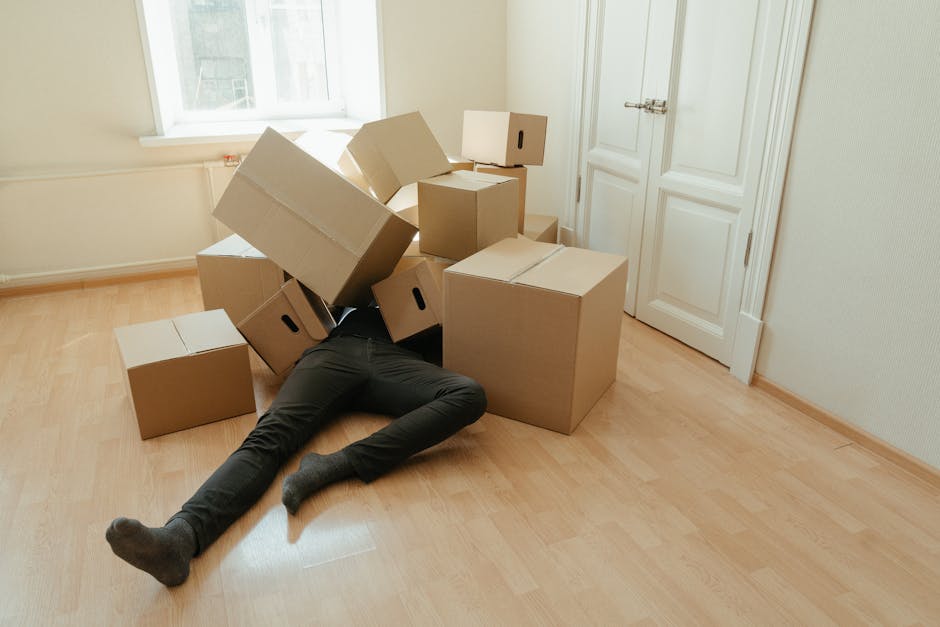
DIY moving can look straightforward on paper: rent a van, get a few boxes, rope in a friend or two, and get it done in a weekend. Then the reality arrives. The sofa won't fit through the hallway, the tape disappears, the kettle is packed away somewhere unknown, and by 2 p.m. everyone is tired, hungry, and a bit snappy. That is how the top DIY moving mistakes that double your stress tend to work. They do not just make a move slower; they make the whole day feel harder, riskier, and far more expensive than it needed to be.
This guide breaks down the mistakes people make most often, why they matter, and what to do instead. It is written for anyone planning a house move, flat move, student move, or a small office relocation in the UK. If you want the move to feel more controlled and less chaotic, you are in the right place.
Why Top DIY moving mistakes that double your stress Matters
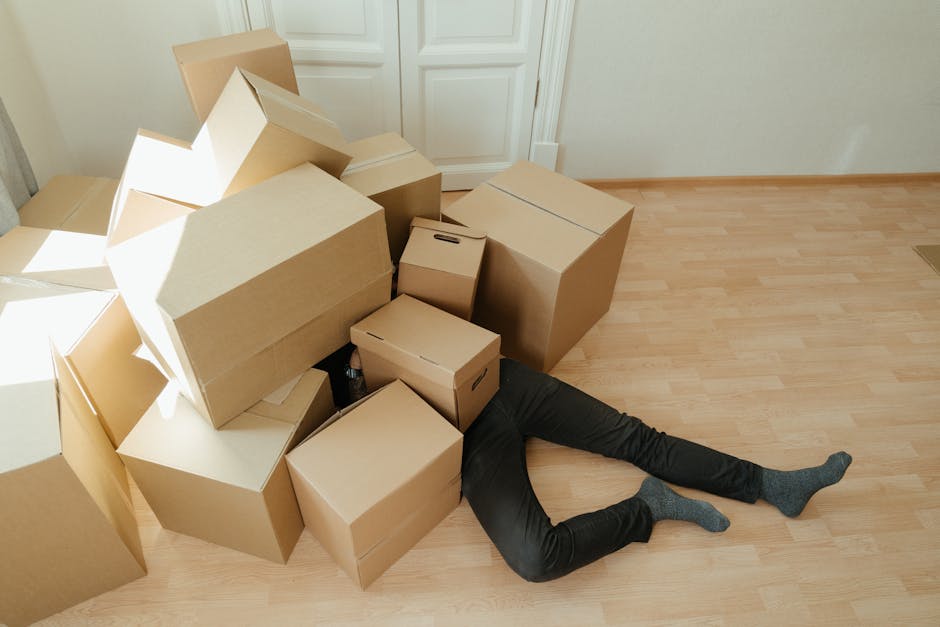
The biggest problem with a DIY move is not usually one dramatic disaster. It is the drip, drip, drip of little issues that pile up. A missing box label becomes wasted time. A badly packed box becomes a broken mug. An underestimated staircase becomes a strained back. Before long, the day is no longer about moving home; it is about firefighting.
That is why understanding the most common DIY moving errors matters so much. A move has enough moving parts already. You are juggling keys, travel times, access issues, parking, food, pets, cleaning, and the emotional side of leaving a place behind. If you cut corners, the pressure rises quickly. To be fair, that pressure often shows up before moving day too, usually in the form of poor sleep, arguments, and the odd moment of "why did we think this was a good idea?"
A good move is not about perfection. It is about reducing avoidable friction. In our experience, the people who feel calmest on moving day are not the ones with the fanciest van or the most expensive boxes. They are the ones who planned realistically, packed properly, and knew when a job was better handed over to professionals. If you want a calmer starting point, these stress-free relocation tips are a sensible companion read.
How Top DIY moving mistakes that double your stress Works
DIY moving stress usually builds in stages. First comes overconfidence. Then the timeline starts slipping. Then the physical work becomes harder than expected. By the time you are carrying the last load, the day has become a chain reaction of small failures.
Here is the basic pattern:
- Poor planning creates confusion about what moves first.
- Poor packing makes items heavier, fragile, or awkward to handle.
- Poor lifting technique increases injury risk and slows the whole process.
- Poor vehicle loading causes damage and wasted trips.
- Poor timing leads to rushed decisions, missed access windows, and avoidable stress.
In other words, one mistake rarely stays alone. It spreads. The wrong size van can turn a single trip into three. A mattress packed badly can damage other items around it. A last-minute packing sprint can leave essentials in random bags and drawers. Suddenly the "simple" move is taking over your whole weekend.
Some mistakes are also tied to safety. A heavy wardrobe, freezer, or piano is not just awkward; it can be dangerous if moved without the right approach. If you are unsure how to handle bulkier items, it is worth reading about safe solo lifting techniques and the basics of kinetic lifting. The body does not care that you are in a hurry. It will complain anyway.
Key Benefits and Practical Advantages
Avoiding the biggest DIY moving mistakes gives you more than a tidy van and fewer broken plates. It changes the whole tone of the day. You feel more in control, other people stay calmer, and the work gets done with fewer interruptions.
Practical benefits include:
- Lower stress because fewer decisions need to be made on the fly.
- Less damage to furniture, floors, walls, and appliances.
- Better time control because packing and loading run to plan.
- Lower injury risk thanks to better lifting and handling.
- Fewer surprise costs from extra trips, damaged items, or emergency purchases.
There is also a quieter benefit that people often miss: less mental clutter. When boxes are labelled properly and the van is loaded logically, the first night in the new place feels manageable. You can find the kettle. You can find bedding. You can get through the evening without digging through six identical boxes marked "misc.". That alone is worth the effort.
If you are still in the planning stage, strong packing habits make a huge difference. A good next step is packing efficiently for a big move, especially if you are trying to stay on schedule.
Who This Is For and When It Makes Sense
This advice is for people who want the flexibility of moving themselves but do not want the usual chaos that comes with it. That includes:
- homeowners moving a typical household
- tenants moving between flats or houses
- students with smaller loads but tight deadlines
- small businesses moving equipment or furniture
- anyone using a hired van and a few helpers rather than a full removals team
DIY moving makes the most sense when you have a modest volume of belongings, a clear access route, and enough time to prepare properly. It can also work well if you are moving locally, have help on hand, and can keep the whole process tightly organised.
It makes less sense when the move includes bulky furniture, difficult access, valuable items, or a very narrow time window. A top-floor flat with awkward stairs and a fridge-freezer that needs careful handling is not the same as moving a few bags and a desk. If the move involves a lot of furniture, it may be smarter to use a furniture removals service in Colyers or at least compare options first.
And if you are moving a piano, honestly, that is one of those jobs where DIY can go wrong in a hurry. There is a reason people look up why piano moving is usually not a DIY job.
Step-by-Step Guidance
If you want a calmer move, the safest approach is to treat it like a project rather than a heroic effort. Here is the basic flow that works well.
1. Make a realistic inventory
Walk through every room and list what is actually moving. Be honest. That old shelving unit in the spare room counts. So does the lamp you forgot you owned. If you do this early, you can judge how many boxes, helpers, and vehicle trips you will need.
2. Declutter before you pack
Do not pack items you are already unsure about. Moving is the perfect moment to cut the dead weight. Fewer belongings means fewer boxes, less lifting, and less unpacking later. For a practical approach, see how to declutter before relocating.
3. Gather materials in advance
Boxes, tape, marker pens, bubble wrap, furniture covers, and sacks for soft items should be ready before packing starts. Mid-pack shopping trips are a classic time sink. They always take longer than you think. Always.
4. Pack by room and by priority
Keep items from the same room together and label them clearly. Separate essentials from non-essentials so that toiletries, chargers, tea, keys, medication, and basic bedding are easy to find on arrival.
5. Protect fragile and awkward items properly
Use cushioning where needed and do not overload boxes. Plates, glasses, screens, and small appliances need thought. For appliance-specific advice, preparing appliances and electrics for safe transport is worth a read.
6. Disassemble furniture before moving day
Take apart beds, tables, and bulky shelving where it is practical to do so. Keep screws and fittings in labelled bags taped to the correct item. This tiny habit saves a surprising amount of stress later, especially when you are tired and it is getting dark.
7. Load the van strategically
Heavy items go first and low down. Softer items fill gaps. Fragile boxes should be protected from crushing. Leave the things you want first at the new property near the back or in a clearly separate section.
8. Build in time buffers
Do not plan the day so tightly that one delay ruins everything. A ten-minute parking issue can become a forty-minute mess if you have no spare time. In UK city moves especially, parking, lifts, and stairs can all slow the rhythm of the day.
9. Clean and check the old property
Once everything is out, check cupboards, loft spaces, behind doors, and around radiators. People leave behind a shocking number of chargers, keys, and small boxes. It happens more than you would think. A proper end-of-tenancy tidy can help too, so move-out cleaning hacks can be useful if you are handing the property back.
10. Unpack essentials first
At the new place, start with beds, bathroom items, kettle, and basic kitchen bits. Once those are sorted, the move feels less like a storm and more like a process.
Expert Tips for Better Results
Most DIY moving stress is avoidable with a bit of discipline. Not glamorous, I know. But it works.
- Use a colour system for rooms if you have lots of boxes. It speeds up unloading.
- Photograph cable setups before disconnecting TVs, routers, and consoles.
- Keep one "do not pack" zone for everyday essentials.
- Wrap drawers in place when it is safe to do so, rather than emptying every single one.
- Measure stairs, doors, and lifts before moving large furniture. A tape measure takes seconds; getting stuck takes much longer.
- Protect floors and walls with blankets or covers if the route is tight.
One slightly old-school but still very effective tip: appoint one person to make decisions on the day. Too many voices in the room slows everything down. "No, that box does not go under the sofa" sounds trivial until you are on a deadline and a hallway is blocked.
If your move is taking place in a flat, where access can be awkward and neighbours may be close by, the extra planning matters even more. Flat removals in Colyers often need careful timing and loading discipline to avoid dragging the day out.

Common Mistakes to Avoid
Here are the mistakes that most often double the stress level, along with what makes them so costly.
1. Underestimating how long packing takes
People assume packing is an evening job. It is not. It expands to fill the time available, and then some. Start earlier than feels necessary.
2. Using flimsy or inconsistent boxes
Weak boxes collapse, especially when stacked. Mixing lots of random sizes also makes loading harder. Keep things sturdy and reasonably uniform.
3. Forgetting to label clearly
"Stuff" is not a label. "Kitchen plates," "study cables," and "bed linen" are better. Specific labels save time and frustration.
4. Overloading boxes
A heavy box may seem efficient until you try to lift it. Then it becomes awkward, unsafe, and more likely to split. Keep box weight sensible. Your back will thank you.
5. Moving large items without protection
Sofas, mattresses, mirrors, and appliances need wrapping or covers. A few minutes of protection can prevent scuffs and tears. For example, if you need to store a sofa temporarily, this sofa storage advice is a smart reference point.
6. Not checking parking or access restrictions
A van that cannot stop near the property can wreck your schedule. In London and many other UK areas, access and parking are often the hidden bottleneck.
7. Trying to lift too much on your own
DIY pride is expensive when it ends in a pulled muscle. Use correct technique, ask for help, or reduce the size of the load. If in doubt, read more about heavy object lifting done safely.
8. Leaving cleaning until the very end
By the final hour, nobody feels like scrubbing skirting boards. Cleaning the old place in stages is far less stressful.
9. Packing essentials in random boxes
Nothing is worse than hunting for phone chargers, medication, or the kettle after a long day. Keep essentials together and visible.
10. Not budgeting for the full move
DIY moving is often chosen to save money, but surprise costs can creep in: fuel, extra tape, parking, storage, replacement items, or a second van run. If you are weighing up your transport choice, hourly vs fixed-rate removals is useful context.
Tools, Resources and Recommendations
You do not need a mountain of equipment, but the right basics make a big difference. Think practical, not fancy.
| Item | Why it helps | Best use |
|---|---|---|
| Sturdy boxes | Protects contents and stacks better | Books, kitchenware, household items |
| Packing tape | Keeps boxes secure | Sealing every box properly |
| Marker pens and labels | Makes unpacking faster | Room-by-room labelling |
| Furniture blankets | Reduces scratches and chips | Sofas, tables, drawers, appliances |
| Ratchet straps or tie-downs | Stops movement in transit | Securing loads in the van |
| Gloves | Improves grip and hand protection | Lifting boxes and awkward items |
| Dolly or sack truck | Reduces carrying strain | Fridges, heavy boxes, stacked loads |
For people who prefer a lighter-touch move, a van with a driver can sit neatly between a full DIY move and a full removals team. If that is your style, the pages on man with a van in Colyers and man and van support may help you understand the service difference.
If you need somewhere to hold items between properties, temporary storage can remove a huge amount of pressure. It is especially useful when completion dates do not line up or a renovation runs late. In those situations, storage in Colyers can be a sensible safety valve.
Law, Compliance, Standards, or Best Practice
DIY moving is not heavily regulated in the same way as some specialist trades, but good practice still matters. The main areas to think about are health and safety, insurance, access, and property damage.
In practical terms, that means:
- lifting within your limits and using proper technique
- making sure the route is clear before carrying heavy items
- checking whether a building has lift restrictions or booking requirements
- protecting communal areas, floors, and door frames where appropriate
- understanding the terms of any van hire or transport arrangement
If you are moving in a managed building or a block of flats, there may be local rules around lift bookings, parking bays, loading windows, or noise. It is always safer to check in advance than to assume you can wing it. Councils, landlords, and managing agents can vary quite a bit, which is a small administrative joy nobody asked for.
Insurance is another point people often forget. Personal contents insurance may not automatically cover damage in transit, and van hire terms can be different again. If you are unsure, read the policy wording carefully. For general reassurance around company procedures and safety standards, the pages on insurance and safety and health and safety policy are useful references.
Options, Methods, or Comparison Table
People often compare DIY moving with a hired van, a man and van service, or a full removals team. There is no universal winner. The right choice depends on time, budget, access, and how much strain you want to take on yourself.
| Option | Best for | Pros | Watch out for |
|---|---|---|---|
| Full DIY move | Small-to-medium loads and flexible schedules | Lower upfront cost, full control | More physical effort, more risk, more planning |
| Man and van | Local moves with moderate furniture | Helpful loading support, simpler logistics | Still need good packing and timing |
| Full removals service | Larger homes, difficult access, fragile items | Less stress, more handling support | Higher cost than DIY |
For students, the picture is often different again. Student moves can be smaller but more time-sensitive, with less furniture and more boxes. A dedicated student removals option in Colyers may be the middle ground between doing everything yourself and paying for more support than you really need.
Likewise, if you are moving a full house, the balance changes quickly. A bigger property means more packing, more load planning, and more exhaustion by the end of the day. That is where a house removals service in Colyers can become the calmer choice.
Case Study or Real-World Example
Here is a realistic example from the kind of move many people attempt. A couple in a two-bedroom flat decided to do everything themselves over one Saturday. They started late because the boxes were not fully packed on Friday night. The lift in their building was already booked by another resident. The van was slightly too small. One friend arrived without gloves, another arrived without clear instructions, and the kettle had been packed with bathroom items. Not ideal.
By mid-afternoon they had made multiple trips, a few pieces of furniture were still in the hallway, and one box of books had split at the bottom. Nobody was doing anything wrong exactly. It was just a chain of small mistakes. The move eventually finished, but the day felt twice as long as it should have.
What would have helped?
- packing over several evenings instead of one rushed night
- measuring the biggest furniture first
- booking the van with a bit more capacity
- labelling essentials separately
- keeping one person in charge of the loading order
That is the pattern you see over and over again. The issue is rarely one huge failure. It is a handful of avoidable decisions landing at once. Once you spot that pattern, the whole process becomes easier to control.
For anyone who wants a more structured route through moving day, the article on relocating without stress pairs neatly with the advice here.
Practical Checklist
Use this before moving day. Print it, screenshot it, scribble on it, whatever works.
- Inventory completed for all rooms
- Unwanted items decluttered or recycled
- Boxes, tape, labels, and wrap gathered
- Fragile items packed with enough protection
- Essentials bag separated and easy to reach
- Furniture disassembled where appropriate
- Route measured for large items
- Parking and access checked in advance
- Van size confirmed for total load
- Helpers briefed on timing and roles
- Floor, walls, and door frames protected if needed
- Cleaning materials ready for the old property
- Keys, documents, chargers, and medications kept aside
- Water and light snacks available for the day
- Final room check completed before leaving
That list might look basic, but basic is exactly what makes a move work. The smoothest moves are rarely the fanciest ones. They are the ones where someone quietly did the boring stuff early.
Conclusion
The top DIY moving mistakes that double your stress are usually not dramatic mistakes. They are small, preventable ones: poor packing, underestimating the workload, skipping labels, lifting badly, and failing to plan access properly. Fix those, and the whole day changes shape. It becomes less frantic, less painful, and much more manageable.
If you are moving soon, keep it simple. Start early, pack honestly, protect the awkward stuff, and do not be afraid to get help where the job genuinely needs it. That is not failing at DIY. That is making a sensible call. And frankly, sensible is underrated on moving day.
Get a free quote today and see how much you can save.
Whether you are moving a small flat or a full family home, a calmer plan will always beat a rushed one. Take a breath, make the list, and keep going. You are closer than it feels.