Preparing appliances and electrics for safe transport
Posted on 06/05/2026
Preparing appliances and electrics for safe transport: a practical, safe-moving guide
Moving a home or office is stressful enough without a washing machine, fridge, TV, or bundle of cables turning into a last-minute problem. Preparing appliances and electrics for safe transport is one of those jobs that feels simple at first, then suddenly isn't. What do you unplug first? How long should a freezer sit before it moves? Which items need professional attention, and which can be packed away with a bit of care?
This guide walks you through the whole process in plain English. It covers safety, packing, cable management, transport risks, and the small checks that can save you from damage, water leaks, or a nasty shock when you arrive. If you are moving house, clearing a flat, or shifting office equipment, the steps below will help you do it properly the first time.
For the bigger move itself, it can also help to read practical advice for relocating without stress and tips on packing efficiently for a big move. They fit neatly alongside this topic.
Why Preparing appliances and electrics for safe transport Matters
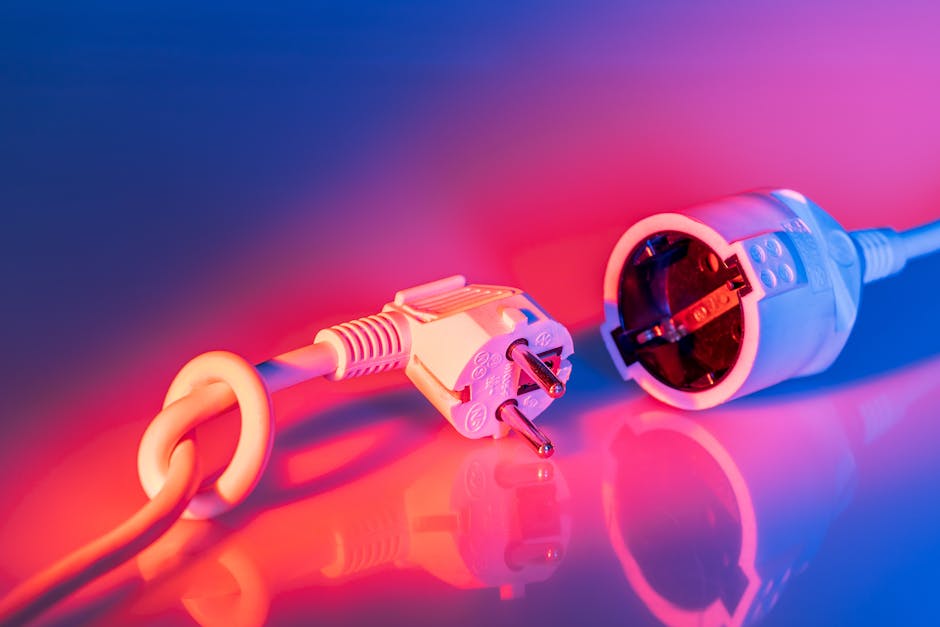
Appliances and electrical items are often heavier, more fragile, and more awkward than they look. They also bring a few extra risks: water left in a hose can leak, a loose plug can scrape, a compressor in a fridge can be damaged if it is moved too soon, and a television screen can crack from pressure that would not bother a bookshelf at all.
To be fair, a lot of moving damage happens not during lifting, but during the quiet parts: the moment a machine is pulled out from the wall, the hour it spends on its side in the van, or the rushed unpacking at the other end. That is why a small amount of preparation goes a very long way.
There is also a safety angle that people sometimes overlook. Trailing leads, damp appliances, and packed cables can create trip hazards and short-circuit risks. If you are moving with children, pets, or neighbours passing through a shared hallway, the stakes go up again. The whole job becomes calmer when each item has a clear plan.
For larger furniture and awkward items, the same logic applies. Our guide to lifting heavy objects more safely explains why planning beats brute force every time. And if you are moving something delicate like a piano, the reasoning is even sharper; this article on moving a piano shows how specialist handling can prevent expensive mistakes.
How Preparing appliances and electrics for safe transport Works
The process is basically a chain of sensible actions: isolate power, remove loose parts, clean and dry the appliance, secure moving components, and pack the item so it cannot shift in transit. Sounds straightforward. In practice, each appliance has its own quirks.
A fridge-freezer, for example, needs time to defrost and dry. A washing machine has transit bolts and water hoses to deal with. A dishwasher needs its water lines drained. A computer setup needs cables labelled, batteries removed where appropriate, and sensitive parts protected from static and pressure.
Electrics are not just about the appliance itself either. Wall chargers, extension leads, monitors, routers, lamps, and small kitchen devices all need a tidy system. If you simply throw everything into a box, you will be dealing with tangles, missing screws, and that familiar moving-day feeling of "where on earth does this cable go?"
One useful way to think about it is this: the safer and more organised the item is before it leaves the property, the less likely it is to fail after arrival. That saves time, money, and a bit of sanity. Small thing, big difference.
Key Benefits and Practical Advantages
Good preparation does more than protect a toaster or a laptop. It improves the whole move.
- Less damage: Proper wrapping and securing reduce knocks, leaks, dents, and cracked panels.
- Lower stress: You know what has been unplugged, labelled, drained, and packed.
- Faster unpacking: Tidy cables and labelled accessories make reassembly much easier.
- Better safety: You reduce trip hazards, water exposure, and electrical risks.
- Cleaner arrival: Dry, wiped appliances are easier to place straight into the new home.
- Better use of moving space: Appliances with doors taped shut and loose parts removed stack more neatly.
There is another benefit that gets missed a lot: confidence. When you know the appliances are sorted, the move feels less chaotic overall. That calm carries through to everything else, from key handover to the first kettle boil in the new kitchen.
If you are decluttering before the move, the process becomes even smoother. Our decluttering guide before relocating is a good companion read, especially if you are deciding which older devices are worth transporting at all.
Who This Is For and When It Makes Sense
This guide is for anyone moving items that plug into the mains, use batteries, or contain moving parts. That includes families, flat movers, students, office teams, landlords, and people using a man and van service for a smaller load.
It matters most in a few common situations:
- House moves: Fridges, freezers, ovens, washing machines, TVs, routers, lamps, and home office gear.
- Flat removals: Tight stairwells and shared entrances make secure packing even more important.
- Office removals: Computers, printers, monitors, phone systems, and server-style equipment need neat cable handling.
- Short-term storage: Appliances going into storage need to be dry, clean, and protected from moisture.
- Same-day or rushed moves: These are the moments when a clear process really pays off.
If you are moving from or within a smaller property, our page on flat removals in Colyers may also be useful. Tight access changes how you protect and carry appliances, and it is worth planning for that early.
Students moving between rentals often underestimate the amount of kit involved. A mini-fridge, kettle, desk lamp, console, monitor, and charging leads can create more packing chaos than a few bags of clothes. Truth be told, it sneaks up on you.
Step-by-Step Guidance
1. Make an appliance and electrics inventory
Start with a simple list. Walk room by room and note every item that plugs in or uses power. Include big appliances, small kitchen items, entertainment devices, extension leads, chargers, and spare cables.
This step sounds basic, but it helps you avoid missing an adapter, a detachable shelf, or the one HDMI lead you will need on day one. It also helps you decide which items need specialist attention or extra help.
2. Back up and disconnect electronic devices
Before unplugging computers, consoles, smart home hubs, or work equipment, save your files and shut everything down properly. Then disconnect power, internet, and peripheral cables in a tidy order.
Label the leads if the setup is more than a couple of cables. Masking tape and a pen can do the job just fine. If you have ever rebuilt a desk at 9 p.m. with a half-empty mug nearby, you will appreciate this step later.
3. Clean and dry appliances thoroughly
Wipe down surfaces, empty crumb trays, remove food residues, and dry internal spaces where needed. For fridges and freezers, this is especially important. Moisture trapped inside can lead to odours, mould, or leaking during transport.
If you need more detail on chilled appliances, this freezer storage guide explains how to manage defrosting, drying, and short-term holding conditions.
4. Remove loose parts and pack them separately
Take out shelves, trays, drawers, glass panels, detachable plates, and any accessories that could shift. Wrap them individually and keep them with the appliance or in a clearly labelled box.
For microwaves, ovens, and coffee machines, this often means glass turntables, removable racks, water reservoirs, and filters. For TVs or audio systems, it may mean stands, remotes, soundbar brackets, or power bricks.
5. Secure doors, lids, and cords
Use soft tape or moving straps to keep doors and lids closed. Avoid aggressive tape on delicate finishes, as it can mark surfaces or peel coatings. Coil cords neatly and fasten them with reusable cable ties or a soft Velcro strap.
Never leave a plug dangling loosely where it can scrape the floor or catch under furniture. It seems minor, but that kind of friction can ruin a finish surprisingly fast.
6. Prepare washing machines, dishwashers, and similar appliances
Water-based appliances need a little extra care. Turn off the water supply, disconnect hoses, drain remaining water, and dry the connections. Washing machines often need transit bolts to secure the drum. If the original bolts are missing, check the manufacturer's instructions or arrange a replacement set where possible.
For dishwashers, the machine should be emptied, dried, and disconnected carefully. If you are not comfortable with the plumbing side, it may be sensible to get help. There is no prize for guessing with water lines.
7. Protect delicate screens and surfaces
Wrap TVs, monitors, and glass-fronted items in soft blankets, screen protectors, or specialist covers. Keep them upright where possible and do not place heavy items on top. A screen that looks sturdy can still be vulnerable to pressure from the wrong angle.
Our piece on protecting a sofa in storage has useful wrapping principles that also apply to other bulky household items: keep surfaces cushioned, keep edges protected, and don't let straps bite into the item.
8. Pack cables and accessories in a labelled system
Put cables, remotes, controllers, power bricks, and screws into small labelled bags. Tape the bag to the back of the item if that is safe to do, or store it in a clearly marked box. Group by room if you can.
A simple label like "TV stand screws" or "washing machine hose parts" can save half an hour later. Maybe more. It is one of those tiny jobs that feels pointless until it saves the day.
9. Use correct lifting and loading methods
Appliances are often awkward rather than just heavy. Use proper grip, keep the item close to your body, and move slowly. If it is too bulky for one person, do not pretend otherwise. Get help. That is not weakness; that is common sense.
If you want a deeper breakdown of safer movement technique, this guide to kinetic lifting techniques explains how posture and leverage matter. It is surprisingly useful reading before a move.
10. Load the van in a stable order
Place heavier appliances low and secure them so they cannot slide. Keep screens and delicate electrical items upright, and avoid stacking items that can crush or bend. Use blankets, straps, and tie-down points where available.
At the destination, check the item before plugging it in. If it was moved on its side, some appliances need time to settle. Fridges in particular often need a pause before switching back on, depending on how they were transported and the manufacturer's advice.
Expert Tips for Better Results
These are the little habits that make the process easier in real life.
- Photograph cable setups before unplugging. This is gold for TVs, gaming desks, printers, and router setups.
- Keep manuals together. If you still have them, put them in the same box as the appliance.
- Use colour-coded labels for rooms. Blue for kitchen, green for study, red for living room. Simple, and it works.
- Wrap plugs separately. That prevents scratches and stops them digging into painted surfaces.
- Check for hidden water. Drip trays, ice compartments, and hose ends can still hold moisture.
- Protect plug pins. A small wrap or pouch stops pins scraping other items in transit.
- Keep a first-night essentials box. Kettle, charger, extension lead, basic light, and any vital cables go in one easy-to-find place.
A quiet but important tip: do not over-tape things. People sometimes use tape like they are preparing for a lunar launch. Then the finish peels, or the tape leaves glue behind. Less is often better, as long as the item is still secure.
And if you are moving pets as well, try to keep them away from the unplugging and packing area. Our guide to moving pets safely on moving day is a handy read if the house feels a bit busy and noisy.
Common Mistakes to Avoid
Most damage comes from a handful of predictable mistakes. Once you know them, they are easy enough to avoid.
- Moving appliances before they are dry: Leftover water can leak into the van or the new home.
- Forgetting transit bolts on washing machines: Without them, the drum can move and cause damage.
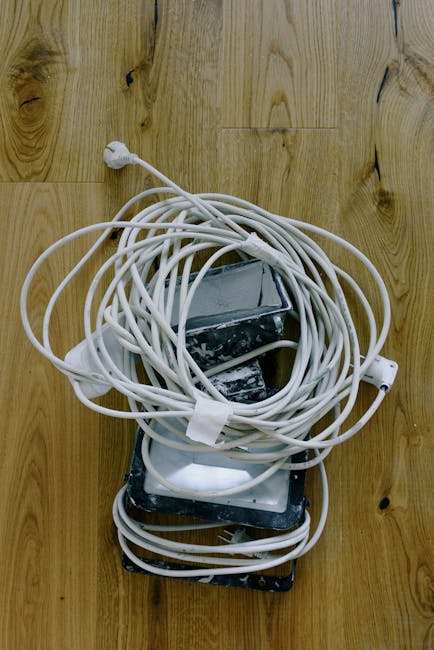
- Leaving cables loose: Loose cords can snag, bend, or tear items during loading.
- Using the wrong tape: Strong adhesive can mark plastic, varnish, or screens.
- Stacking heavy objects on electronics: This is a classic mistake, and a costly one.
- Plugging in too soon: Some appliances need time to settle after transport.
- Not checking access routes: A safe-prepped appliance can still get damaged on a tight staircase or doorway.
One more mistake that comes up all the time: assuming the person who is "good with tools" automatically knows every appliance. Not necessarily. A confident attitude does not replace the right instructions.
Tools, Resources and Recommendations
You do not need a van full of specialist kit, but a few practical items make the job much smoother.
| Item | Why it helps | Best for |
|---|---|---|
| Soft moving blankets | Cushion surfaces and reduce scratches | TVs, fridges, speakers, small appliances |
| Velcro cable ties | Keep cords tidy without damaging them | Computers, chargers, TVs, office kit |
| Labels or marker pens | Help you identify parts and room destinations | Every appliance and box |
| Zip bags | Store screws and small accessories safely | Furniture plugs, brackets, machine fittings |
| Towels or absorbent cloths | Useful for drying hoses and drips | Washing machines, dishwashers, freezers |
| Moving straps | Helps secure tall or awkward items in transit | Fridges, cabinets, large electrical units |
For moving-day logistics, it is worth thinking about the vehicle too. A properly sized van, decent tie-down points, and a driver who understands how to load fragile items can make a noticeable difference. If you are comparing options, man and van services in Colyers and broader removal services can suit different scales of move.
If you are still gathering boxes and wrapping supplies, the page on packing materials and boxes is a sensible place to look next. Proper materials are not glamorous, but they do the work.
Law, Compliance, Standards, or Best Practice
For most domestic moves, there is no complicated legal requirement that tells you exactly how to pack a toaster or television. Still, there are clear best practice expectations around safety, manual handling, and electrical caution.
In the UK, it is sensible to follow manufacturer instructions for each appliance, especially for items with compressors, water connections, or transit bolts. If a user manual says to wait before switching the unit back on, follow that advice rather than guessing. If you no longer have the manual, many manufacturers provide downloadable copies.
From a moving perspective, the most relevant principles are simple:
- Do not lift beyond your safe capability.
- Keep routes clear and dry.
- Use suitable equipment for heavy or awkward items.
- Disconnect safely before transport.
- Protect electrical items from moisture and crushing.
If your move involves office kit, business records, or higher-value electronics, it may be worth checking your provider's insurance and safety arrangements before the day. Our pages on insurance and safety and health and safety policy explain the kind of care you should expect from a professional mover.
For businesses, there may also be internal IT or facilities rules about shutdown procedures, asset handling, and access control. Keep those in mind early rather than trying to solve them with five minutes to spare. That never ends beautifully.
Options, Methods, or Comparison Table
There is more than one way to prepare appliances and electrics. The best choice depends on the item, your time, and how much risk you are comfortable handling yourself.
| Method | Best for | Pros | Watch outs |
|---|---|---|---|
| DIY preparation | Small appliances, basic electronics, standard household items | Low cost, flexible, familiar | Easy to miss bolts, hoses, or cable details |
| Mixed DIY with professional transport | Most house moves | Good balance of control and support | You still need to prepare items correctly |
| Full professional move | Large homes, offices, fragile or heavy equipment | Less strain, better handling, less stress | Usually higher cost than self-move |
| Storage-first approach | Moves with gaps between dates | Gives breathing room, useful for staged relocations | Appliances must be stored dry and clean |
If the move involves timing gaps, don't forget storage conditions. A dry, ventilated space matters. Our article on storage in Colyers is helpful if you need temporary space for appliances or tech before delivery.
For bigger domestic jobs, a full house removals service may be the right fit. For smaller, more flexible transport, a man with a van in Colyers can be a tidy option. Different jobs, different tools.
Case Study or Real-World Example
A typical example: a couple moving from a first-floor flat to a terraced house with a narrow front path, a fridge-freezer, a washing machine, two monitors, and a small office setup. Nothing extreme, but enough to cause headaches if handled casually.
They started two days early. The fridge was emptied and defrosted. The washing machine hoses were drained and the drum secured with transit bolts. Computer cables were photographed before unplugging. Every lead was bagged and labelled. The TV stand screws went into a small envelope and were taped to the back of the stand cover. Not glamorous. Very effective.
On moving day, the appliances were loaded first, cushioned with blankets, and strapped upright. The van stopped only once before arrival, and there were no leaks, no missing brackets, and no "where does this wire go?" moment at 8 p.m. That final part matters more than people think.
What made the difference was not special equipment. It was sequence and calm. A bit of prep, then a bit more, then the move stopped feeling random.
Practical Checklist
Use this checklist before transport day. It is simple, but it catches a lot.
- Make a full list of appliances, electronics, chargers, and cables.
- Back up data from computers, tablets, and work devices.
- Power down, unplug, and isolate each item safely.
- Drain water from washing machines, dishwashers, and related hoses.
- Defrost and dry fridges or freezers where needed.
- Remove shelves, trays, glass parts, and accessories.
- Label cables, screws, brackets, and remote controls.
- Wrap delicate surfaces in blankets or suitable protection.
- Keep items upright unless the manufacturer says otherwise.
- Load heavy items low and secure them against movement.
- Check each appliance before switching it back on.
- Allow settling time where required, especially for refrigeration units.
If you want a wider moving plan alongside this checklist, our general article on packing for a big move can help you coordinate boxes, furniture, and appliances in one flow.
Expert summary: The safest approach is usually the least dramatic one. Disconnect properly, dry thoroughly, label everything, protect fragile parts, and load with restraint. Most appliance damage comes from rushing, not from the actual journey.
Conclusion
Preparing appliances and electrics for safe transport is really about reducing avoidable problems before they start. When you take the time to disconnect, clean, dry, label, and protect each item, the move becomes easier for everyone involved. Less damage. Less confusion. Less last-minute panic at the van door.
It also makes the new place feel more settled, faster. You plug things in, find the right leads, and get on with life rather than unpacking a mess of mystery cables at half past nine. That alone is worth the effort, honestly.
If you are planning a move in Colyers and want support with transport, heavy lifting, or a carefully organised move day, it makes sense to compare options early and choose the level of help that fits your situation.
Get a free quote today and see how much you can save.
And if you are still at the planning stage, take it one step at a time. A well-prepared move feels lighter, and a lighter move is usually a better one.